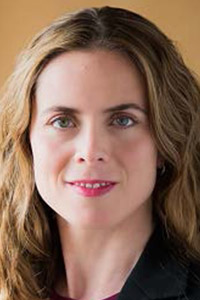
Acute myeloid leukemia (AML) is a complex diagnosis, and it can be difficult to know what to expect in those early conversations after diagnosis. In this episode, we speak with Dr. Rebecca Olin from the University of California, San Francisco (UCSF), who helps explain what AML is and how care is approached today.
Dr. Olin walks us through how doctors evaluate AML, what factors influence treatment decisions, and how therapies – including targeted treatments, stem cell transplant, and clinical trials – are helping improve outcomes and quality of life. We also discuss the importance of supportive care and ongoing research, offering listeners a clearer picture of how AML is treated now and where progress continues to be made.
Podcast: Play in new window | Download
Subscribe: Spotify | Pandora | Podchaser | More
CLICK HERE to participate in our episode survey.Mentioned on this episode:
- Acute myeloid leukemia
- Allogeneic stem cell transplantation
- Clinical Trial Support Center
- Beat AML® Master Clinical Trial
- Beat AML® press release – January 2026
Additional Blood Cancer United Support Resources:
- Information Specialists
- Financial support
- Online Chat
- Free Nutrition Consultations
- Free telephone/web patient programs
- Free booklets
- Support groups
- Caregiver support
- Caregiver Workbook
- Young Adult Resources
- Survivorship Workbook
- Advocacy and Public Policy
- Patient Community
- Mental Health Resources
Episode supported by Astellas Pharma US Inc.; Daiichi Sankyo Inc.; Debiopharm; Genentech, A Member of the Roche Group; and Kura Oncology, Inc.
3 thoughts on “Acute Myeloid Leukemia (AML): New Approaches For A Complex Diagnosis”
Thank you so much for giving more specifics on TP-53 in this podcast. It was so helpful to hear direct information regarding this difficult to eradicate mutation
Is there any thing that would help research TP-53 that those of us in full remission, thanks to Stem Cell Transplant, might assist with? I would love to help give back. I’m just 18 months out but I’m very thankful to God for these 18 months and all the research and medical expertise responsible for it. Perhaps researchers would benefit in some way from hearing more directly from a group of us with the TP-53 mutation?
Thank you very informative. Until next time.❤️
Very informative, I’m an AML survivor, I did the 7+3, I was diagnosed in December 2014..